


This summer, Studio Outside has been working with the Girl Scout's leadership to create a framework that strategically consider their national property portfolio. The Girl Scout movement holds 112,000 acres in over 800 individual properties. Owned primarily by the 112 local councils around the country, creating a collective vision to maximize the value of this property is a great challenge.
As landscape architects, it’s always interesting to hear what people think our profession is about. Usually, people think of landscape architects as either gardeners, landscapers, arborists, or florists. The truth is that we do have knowledge of a wide variety of plants, but knowing about plants and trees is only a small part of what a landscape architect actually does daily.
As an example, I was recently asked about a tree problem in a friend’s garden. Luckily, I could answer the question but only because I’ve seen a lot of tree issues in 35+ years of practicing landscape architecture. Learning about tree or plant problems has been a necessity because it really is more of a test question: answer correctly and you’re an expert, answer incorrectly and your clients will know more than you do. Ouch.

We’re back from the 4-day 2016 Texas ASLA conference, hosted by our neighbors in Fort Worth this year. In between the multitude of innovative and interesting vendors on the conference floor, and the wide range of lectures (one by Studio Outside Principal Tary Arterburn), the 2016 Awards were given out during a luncheon, and Studio Outside was fortunate enough to come home with a few!

We've received some beautiful aerial photos recently from Greg Boudrero at MGB+A: The Grassli Group, showing the construction progress made at the Red Butte Gardens in Salt Lake City, Utah. These aerial photos are immensely helpful during the construction progress to track progress on the entire site and visualize the design implementation as a whole, but it's also just really fun for us to see a project come together from the bird's eye view.
The Water Conservation Garden is the newest garden expansion at Red Butte Gardens. The Water Conservation Garden is approximately 3 acres in size and climbs over 80 vertical feet from top to bottom of the site. The steep topography across the site made grading the site challenging; however, we were able to keep the main trail handicap accessible without the need for handrails. The main trail snakes from side to side across the site, stopping at various trellises that frame views of Salt Lake City and the surrounding mountains.
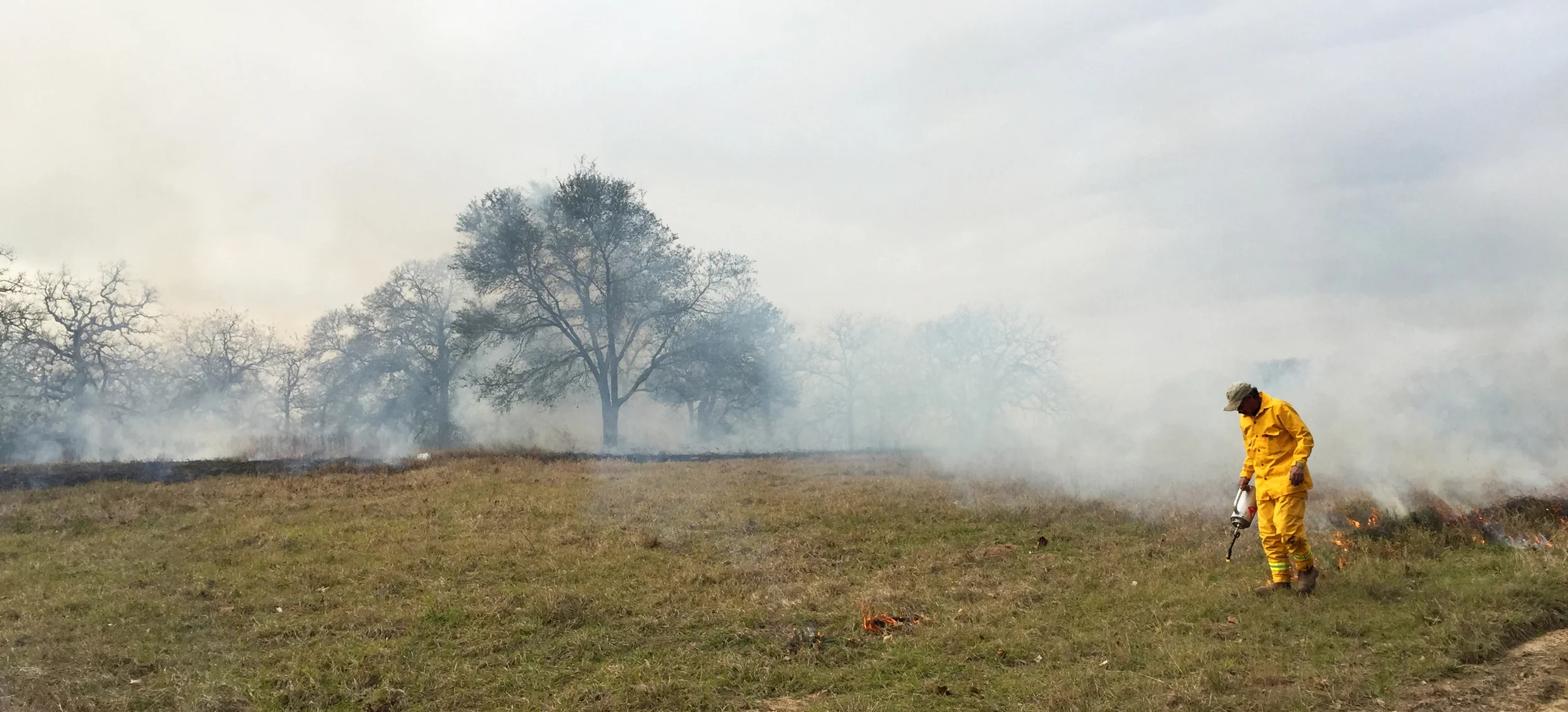
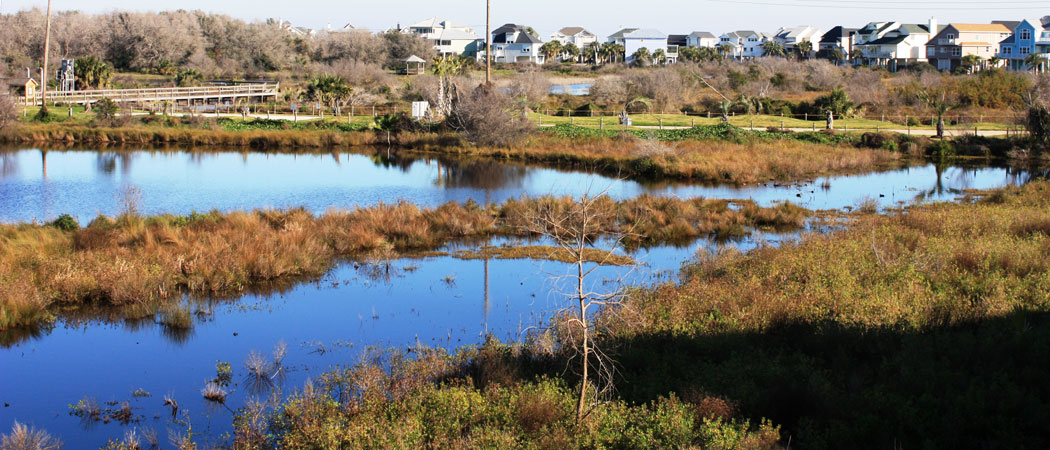
"Historically, a blanket of bison covered the savanna landscape of southeast Texas. Large herds consumed vast quantities of grasses and their hooves disturbed the soil, and dispersed seed. Though the grazing was intense, the bison moved, allowing the savanna time to recover.
Fires regularly spread through the savanna. These fires were typically very large and continued until stopped by a change in topography or storms smothered them. These fires stimulated growth of the grasses and forbs, suppressed invading woody plants and ultimately contributed to the incredible species diversity of the grasslands." (Houston Wilderness)
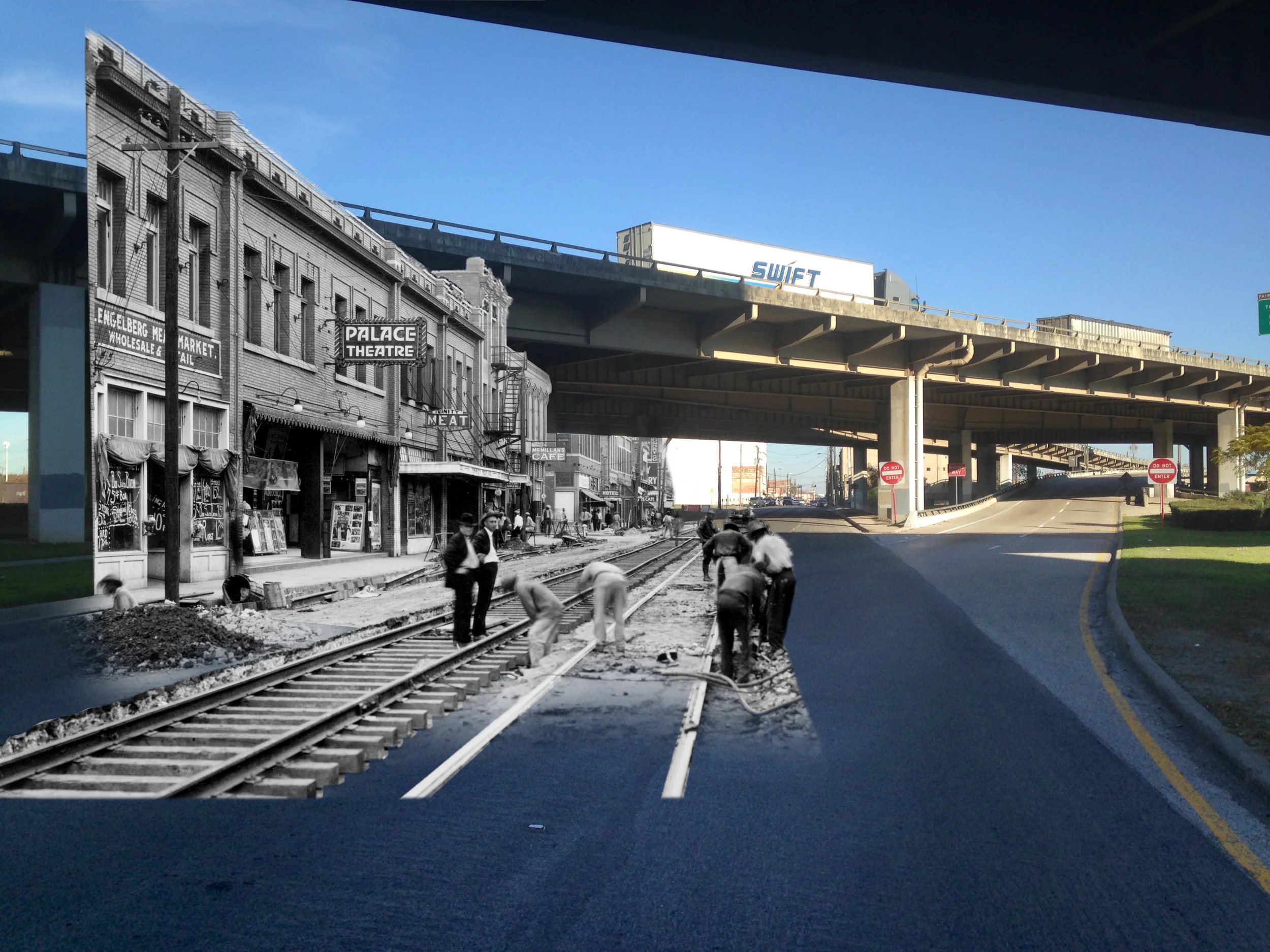
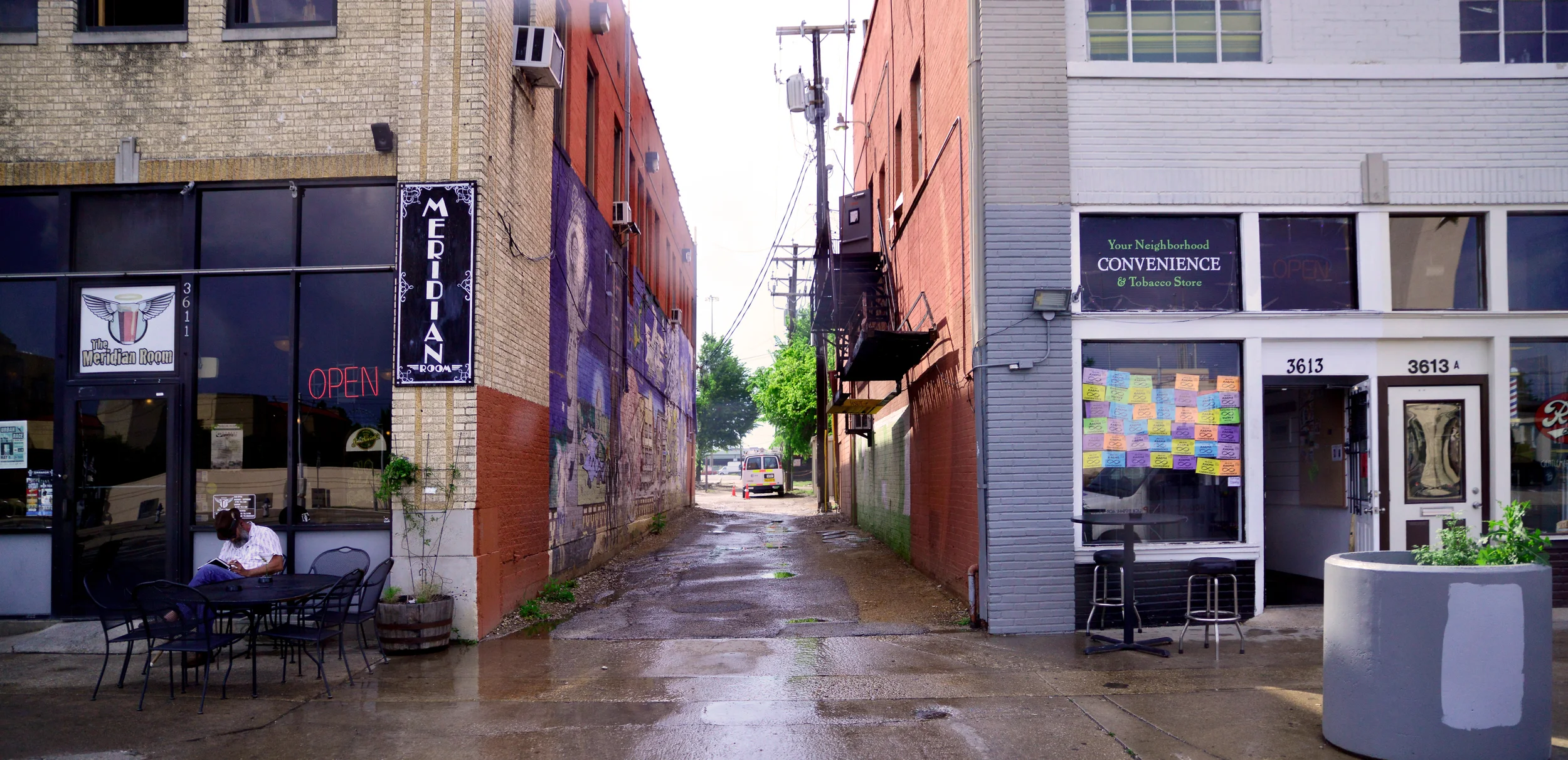
As part of our office’s Second Nature Initiative, we’re refocusing on our neighborhood of Deep Ellum to discover potential future opportunities to preserve the neighborhood’s unique character and provide a toolbox of potential opportunities for future development in the area. As part of that study, I was challenged with investigating the historical context of the area, tasked with responding to questions on the neighborhood’s original street layout, the role that Deep Ellum (or Deep Elm as it was originally called) played in the overall context of the city, and looking at dramatic changes to the built fabric of the place that have occurred throughout its history.