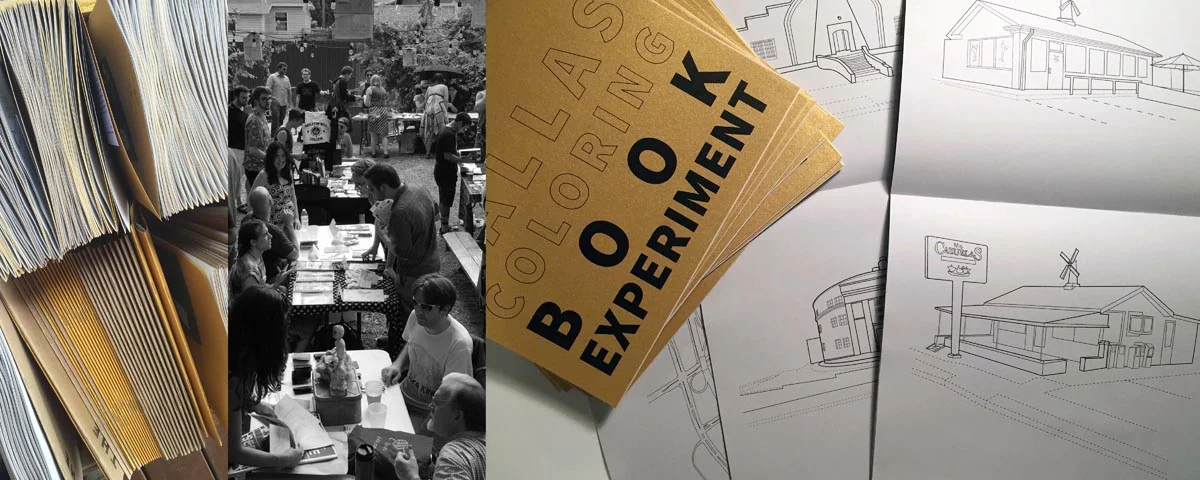





Every year Studio Outside facilitates an office-wide retreat with the goal of engaging Outsiders at every experience level. A collaborative internal team addresses the retreat by creating a theme that relates to the office-wide culture, mission, and vision. This year’s theme: creativity.

2017 was the inaugural year of the Studio Outside Internship Project. Four interns (Ann, Vanessa, Chandler, and Lu Rui) explored ways to activate spaces under the I-345 freeway that are currently dark, dangerous and difficult to navigate. They designed and discovered ways to turn these underpasses into usable public space. This year we explored something different in Deep Ellum: alleys.

This fall we hosted the second Outside Studio Sounds, our annual effort to explore and inspire new forms of music + creativity. Joined by friends, we convened for a night of music, art, and refreshments. Our goal was to see what connections could be made through a joyful and unique sonic evening. Not your typical rock-n-roll show and certainly not a typical office event, Outside Studio Sounds is about creating an experience we can use music as inspiration in our work and life.

There is within all of us, I think, a desire to rekindle our historic relationship with nature: a functioning piece, rather than a ruler. To journey to remote places that remind us of the scale of our cosmos, and to humble us with ancient architecture that has moved and adapted, and still stands. Or doesn't. It's an ongoing, evolving spectrum of cause and effect, manifesting in a continual state of entropy... This is the allure of the west.
For many, Landscape Architecture is a profession stumbled upon or a career pursued only by an artistic few. It is an idea which seems unknown, unfamiliar, or possibly even strange. But I would like to let it be known, Landscape Architecture is not meant to be understood by a select group; rather, it is meant to be experienced by all.
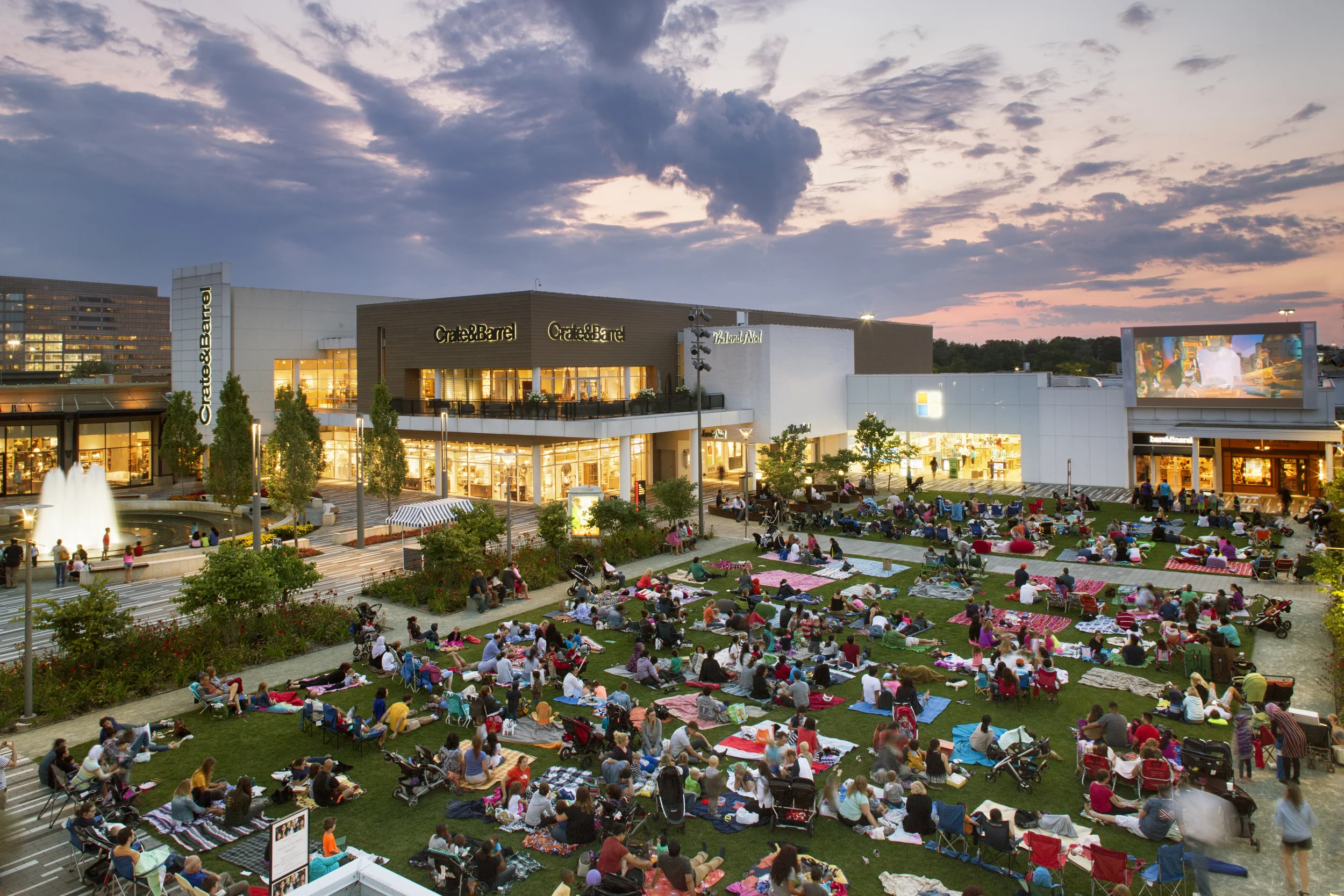
Landscape Architecture is a moment many have lived and felt, it is an instant many have seen and heard. It is a drive on the street, a run on the trail, a rest on the patio, a swim on the rooftop, a picnic in the park, a stroll through the plaza; in conclusion, it is the outdoor experience. It creates spaces that capture minds and intensify emotions; it forms places which encourage people to sit and stay, or to run and explore.

During my time living and working abroad in Mexico, I perceived a concept which shaped me personally and professionally. It was a notion which was unfamiliar to me at the time but that is now fundamental: the idea of the living streets. Initially, to think of the street was to think of my car. It was understood the street was intended for vehicular traffic, minimal pedestrian movement and nothing else. It felt as if I were to cross the street, I would be invading the space meant for the car.
Mexico City radically reshaped this notion for me. Once there I was shocked, not by the cracked pavement or the large puddles, but by the activity on them - an ever-ending motion which was active, dynamic, energetic, as I like to say, pulsing. It was the interaction between neighbors and strangers, the echo of chatter and laughter, the flow of people moving from space to space like the flow of water. These spaces not only transported cars, even better, they served as pedestrian highways, meeting points, leisure areas, commercial venues and music stages. All of these activities which before seemed to occur in different locations, they were now happening in the same place, the streets.
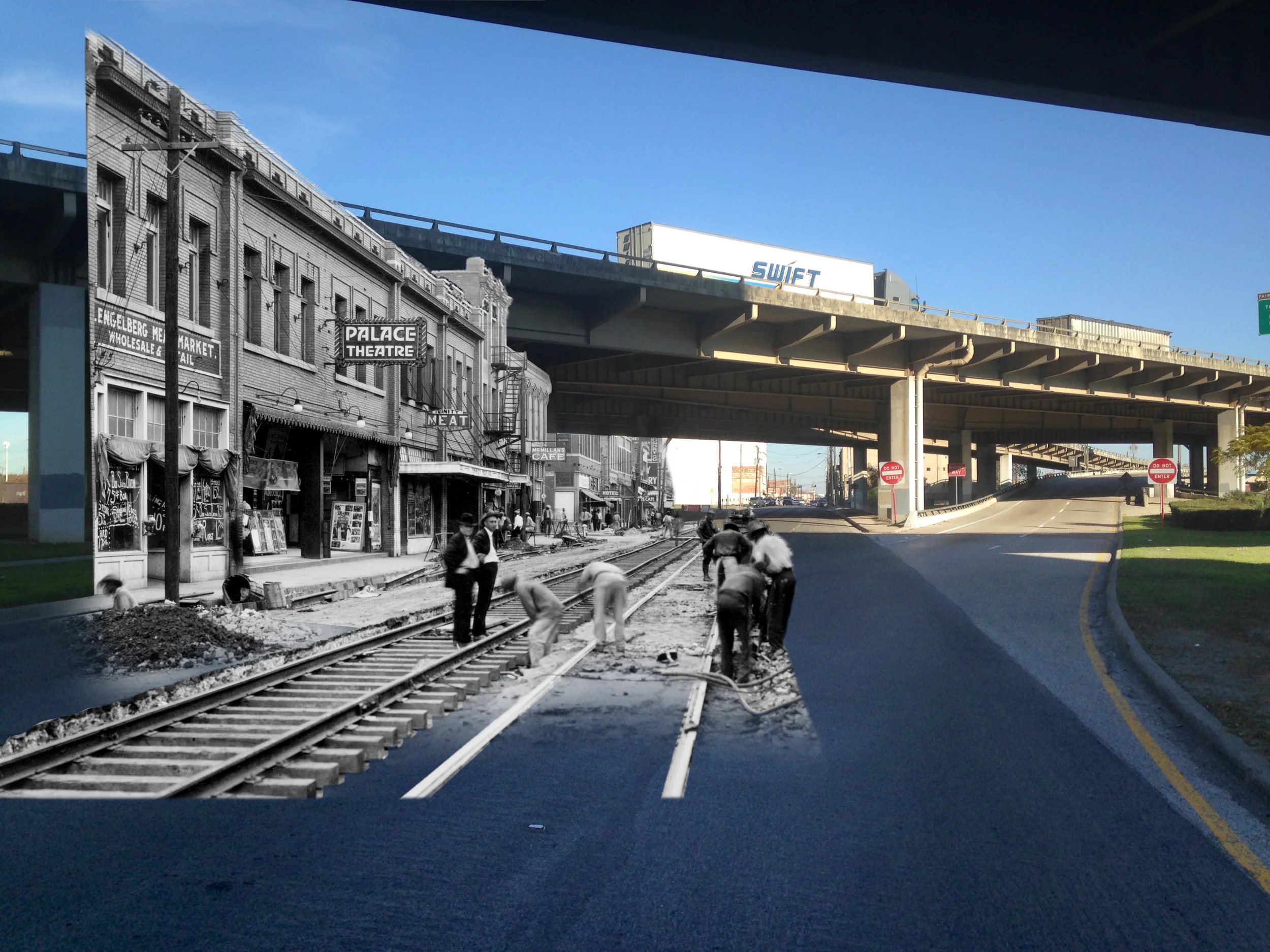
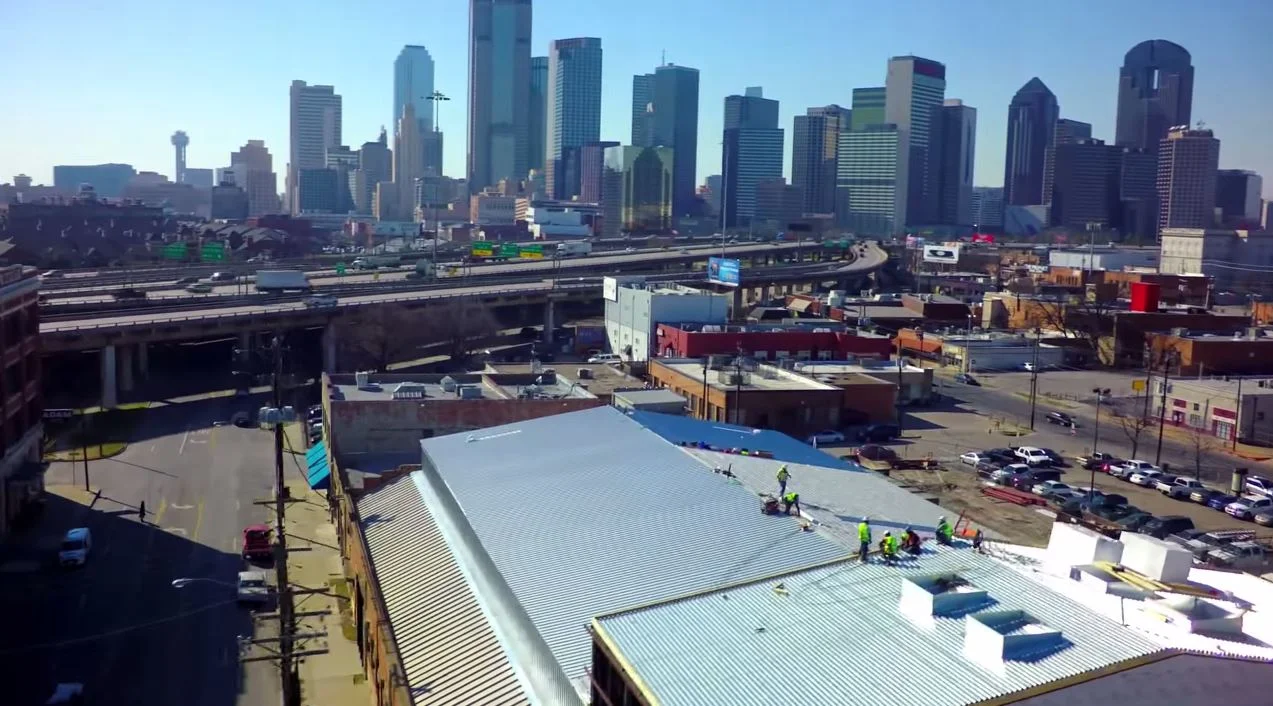
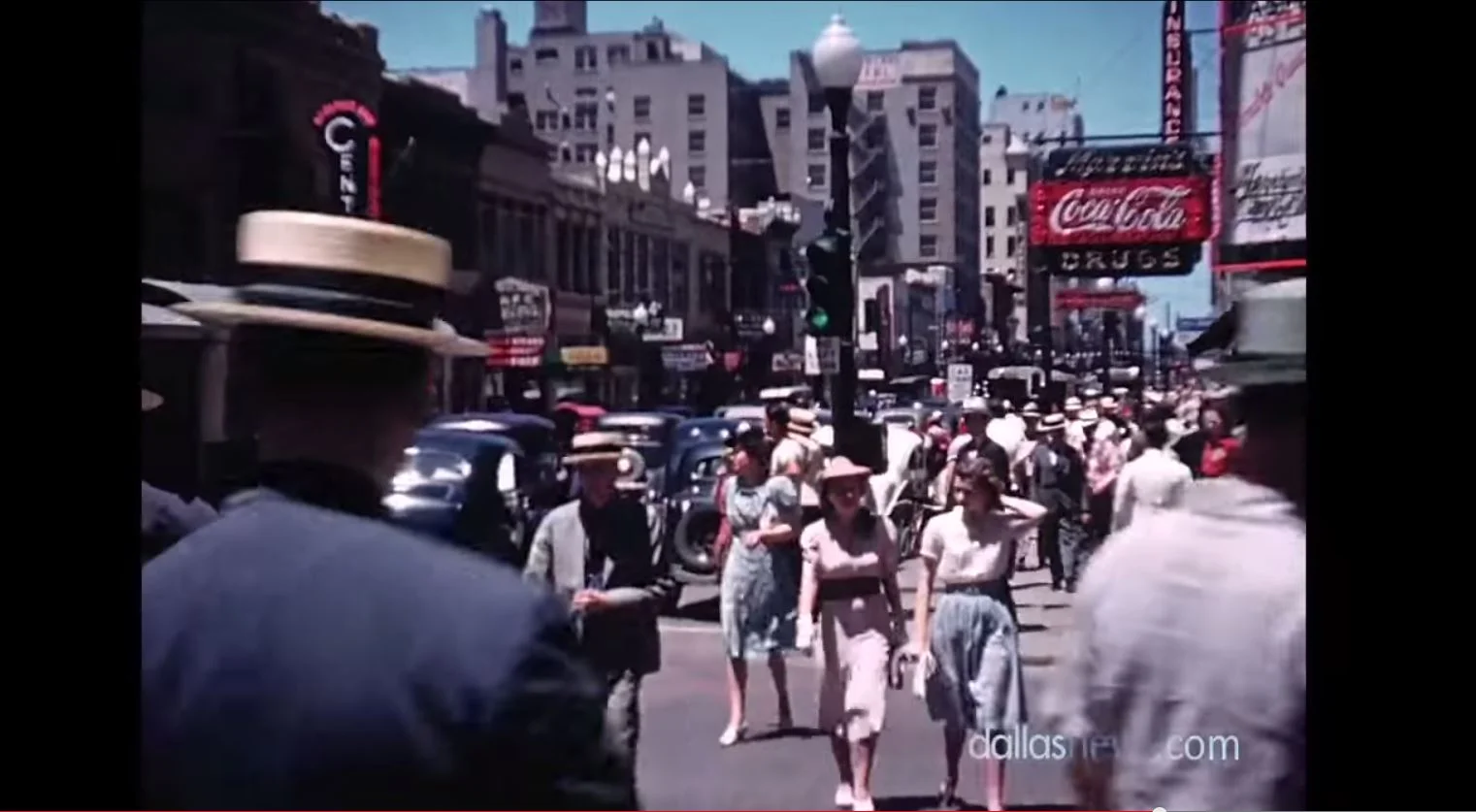
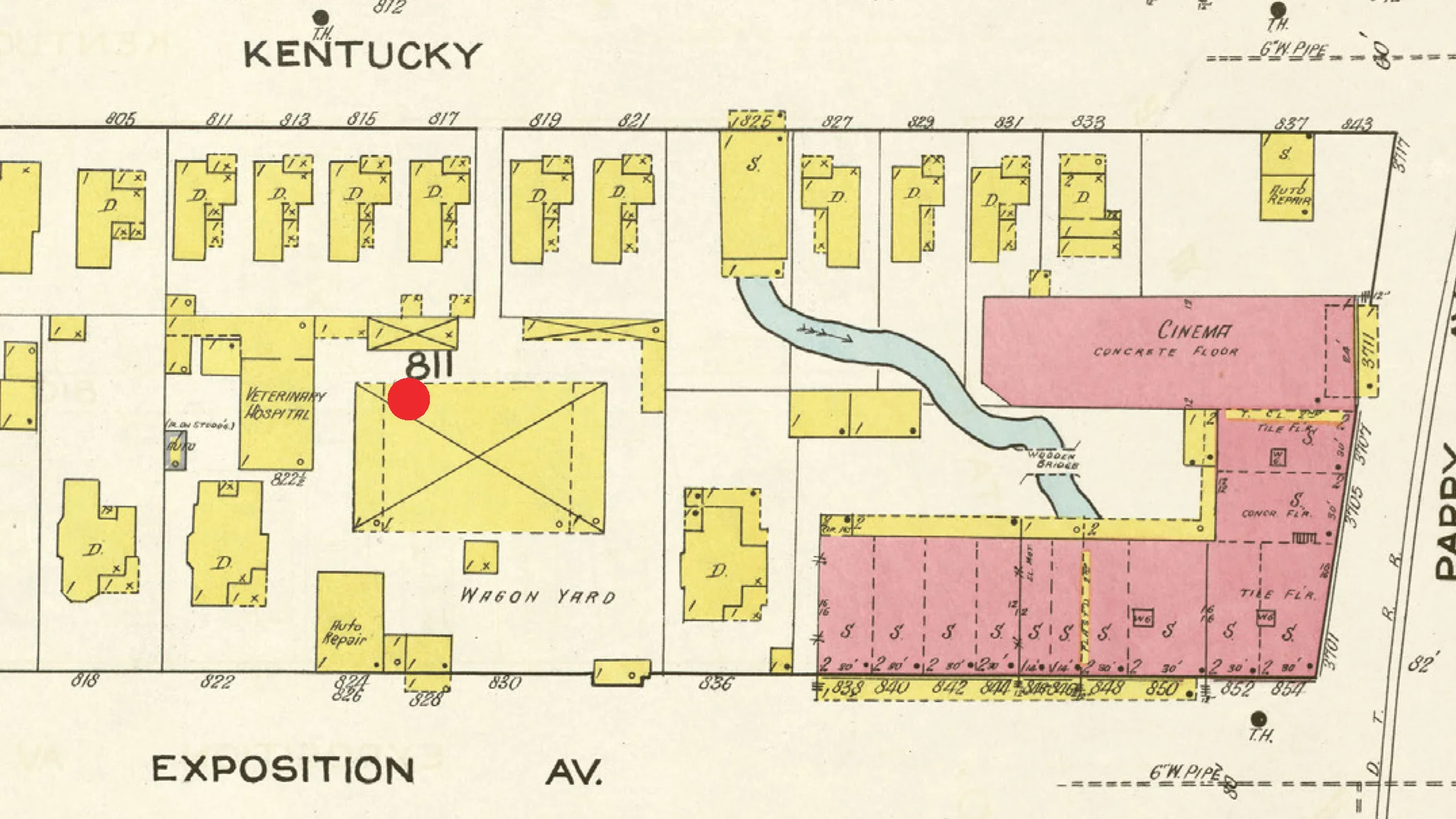
As part of our office’s Second Nature Initiative, we’re refocusing on our neighborhood of Deep Ellum to discover potential future opportunities to preserve the neighborhood’s unique character and provide a toolbox of potential opportunities for future development in the area. As part of that study, I was challenged with investigating the historical context of the area, tasked with responding to questions on the neighborhood’s original street layout, the role that Deep Ellum (or Deep Elm as it was originally called) played in the overall context of the city, and looking at dramatic changes to the built fabric of the place that have occurred throughout its history.